
Why We Get Lost in Malls (And How Good Signage Saves Us)
Have you ever walked into a massive hospital or shopping mall, confidently taken three steps, and immediately realized you have absolutely no idea where you are?
You scan the horizon for a bathroom. You look for the food court. Instead, you find a directory map that looks like it was designed by a chaotic neutral wizard using the Papyrus font.

It’s not your fault your sense of direction suddenly vanished. It’s bad wayfinding signage. Today, we are diving deep into the psychology of how humans navigate spaces, and why the right custom commercial signs are the unsung heroes of our daily lives.
The Invisible Guiding Hand of Good Design
Wayfinding isn’t just about slapping an arrow on a piece of acrylic and calling it a day. It is a subtle psychological art form. When directional signage works perfectly, nobody notices it. You just magically arrive at your destination. When it fails? You end up in a restricted maintenance closet holding a mop.
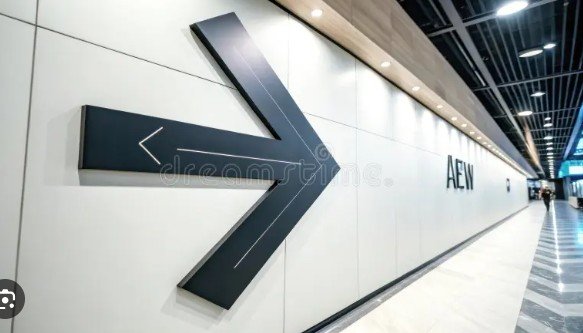
When designing a wayfinding system, we have to consider how the human brain processes information while in motion. Here are the three pillars of effective directional signage:
- The 3-Second Rule: People walking or driving only give a sign about three seconds of attention. If they can’t read it by the time they pass it, it’s useless.
- High-Contrast Fabrication: Contrast isn’t just an aesthetic choice; it’s an ADA compliance requirement. Dark backgrounds with light, raised text (or vice versa) allow our brains to process letters in fractions of a second.
- Progressive Disclosure: Good signage doesn’t give you the entire map at once. It gives you breadcrumbs. “Elevators this way.” Then, once you reach the elevators: “Floor 3: Cardiology.”
Internal Link Opportunity: “If you want to see how this translates to exterior visibility, check out our guide on [Link: Choosing the Right Channel Letters].”
The “Anxiety-Reducing” Power of Signage
Imagine an airport. It is inherently stressful. You’re worried about your boarding pass, your luggage, and whether you have time to buy an overpriced coffee.
Wayfinding signage in high-stress environments actually lowers cortisol levels. When fabrication techniques utilize calming colors (like deep blues or greens) and clean, universally understood iconography, it subconsciously tells the brain, “Relax, we’ve got you.”
What’s the worst signage fail you’ve ever experienced?
Stop Blaming Your Sense of Direction
The next time you find yourself wandering aimlessly looking for the exit, take a look at the walls. Chances are, the signage system is either outdated, poorly illuminated, or fighting against human psychology instead of working with it.
Great signage is a blend of heavy-duty fabrication and delicate human psychology. It’s the difference between a frustrating maze and a seamless journey.
Want to upgrade your facility’s navigation? Don’t leave your visitors wandering the halls. Reach out to a professional signage designer to audit your current wayfinding system. And if you found this breakdown helpful, share it with that one friend who always gets lost—they might just need better signs in their life.
Comments (0)
No comments yet. Be the first to comment.