
The Creepy White Van Cure: Why Vehicle Wraps Are Your Best Marketing Asset
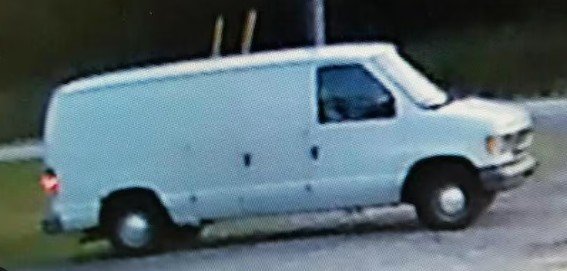
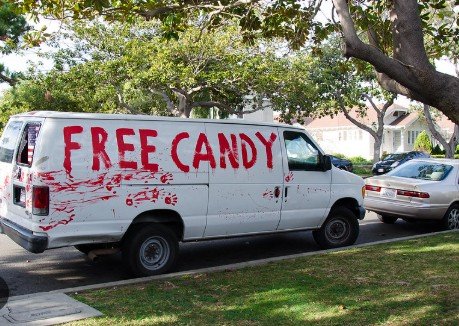
Let’s be honest. If your company operates out of a plain, unmarked white cargo van, you don’t look like a successful service business. You look like you’re on a stakeout, or worse, you look like a sketchy character from a 90s movie.
Every day you drive that blank canvas around town, you are actively losing money. In the signage and marketing world, a blank fleet vehicle is a massive missed opportunity. Today, we are talking about Commercial Vehicle Wraps, why they boast the lowest cost-per-impression in advertising, and how to avoid making a complete fool of your brand when the van door opens.
The Math: Why Wraps Beat Billboards (and Google Ads)
Let’s get a little nerdy with the numbers. If you buy a billboard on the highway, you are renting space for thousands of dollars a month. When you stop paying, your ad disappears.
A vehicle wrap is a one-time investment that lasts 5 to 7 years. According to the Outdoor Advertising Association of America (OAAA), a single wrapped vehicle generates between 30,000 and 70,000 impressions daily.
Here is the basic math for Cost Per Impression (CPI): $$\text{CPI} = \frac{\text{Total Wrap Cost}}{\text{Daily Impressions} \times 365 \times \text{Lifespan in Years}}$$
When you do the math, vehicle wraps cost a fraction of a cent per impression. It is, unequivocally, the cheapest way to get your logo in front of human eyeballs.
$$ \text{CPI} = \frac{\text{Total Wrap Cost}}{\text{Daily Impressions} \times 365 \times \text{Lifespan in Years}} $$Interactive: The “Mobile Billboard” ROI Calculator
Find out how much advertising your vehicle wrap could generate based on your driving habits.
Adjust the numbers above to see how quickly a wrapped vehicle turns everyday driving into brand exposure.
The 3 Tiers of Vehicle Graphics
You don't necessarily need to wrap every square inch of your truck to get results. Here are the three ways to cure the "blank van" syndrome:
- The Full Wrap: The holy grail. The entire surface of the vehicle is covered in printed vinyl. It protects the factory paint job, commands absolute attention, and makes a 2012 Ford Transit look like a spaceship.
- The Partial Wrap: The smart compromise. Usually covering the rear half of the vehicle and the back doors. It integrates the vehicle's base paint color into the design, saving you money on materials while still delivering a massive visual punch.
- Spot Graphics & Lettering: The budget-friendly essential. Cut vinyl logos on the doors and website/phone numbers on the back. It’s simple, professional, and gets the job done.
The "Sliding Door" Disaster
Designing for a flat piece of paper is easy. Designing for a 3D vehicle with handles, windows, and moving parts requires a professional.
Why? Because if you don't account for how the vehicle operates, you end up a viral meme.
Imagine you own "Angus Beef Quality Meats." You put your beautiful logo on the side of your delivery van. But you didn't measure where the sliding door track is. When your driver slides the door open, the "A" in "Angus" slides behind the front panel, and the "g" gets cut off.
Suddenly, you are driving around a van advertising something highly inappropriate.
Start Driving Revenue
Your fleet is a physical asset. If it's not generating leads while it sits in traffic or parks at a job site, it's not working hard enough for you.
The Great Fleet Debate!
What is the most annoying thing you see on other companies’ work trucks?
Comments (0)
No comments yet. Be the first to comment.